
How gambling influences societal norms and values A deep dive into Pinco
The Historical Context of Gambling
Gambling has a long and complex history that dates back to ancient civilizations. It has been a part of human culture for thousands of years, often intertwined with rituals, celebrations, and community activities. From dice games in Mesopotamia to betting on gladiatorial contests in Rome, gambling has been a common thread throughout different societies. This historical perspective illustrates how gambling has evolved and reflects varying societal attitudes towards chance and risk. Today, you can easily access a range of options, including the Pinco casino login, to experience this evolution firsthand.

As societies transitioned from agrarian to industrial and then to digital economies, the perception of gambling has changed significantly. In the past, gambling was often viewed with suspicion or associated with vice. However, modern perspectives have begun to shift, largely due to the normalization of gambling through media representation and the rise of online platforms, such as Pinco. This evolution demonstrates how cultural norms can adapt and shift over time, often reflecting broader changes in societal values.
Today, gambling is not merely a personal choice but a societal phenomenon that influences various aspects of life, from entertainment to economic growth. It raises questions about morality, ethics, and social responsibility, challenging traditional views on what is acceptable behavior. Understanding the historical context of gambling is crucial for analyzing its current impact on societal norms and values.
The Impact of Gambling on Social Interactions
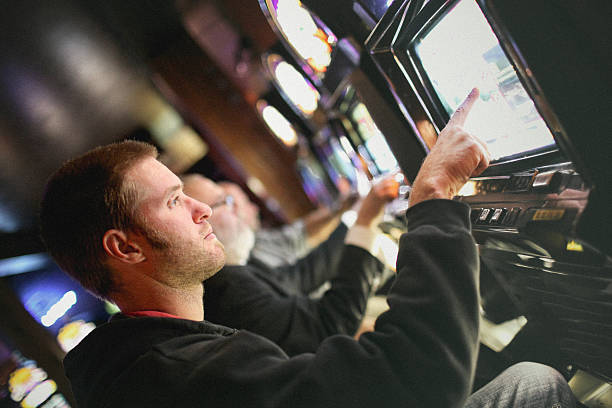
Gambling often serves as a social activity that brings people together, fostering connections and interactions among individuals. Casinos and gaming establishments, such as Pinco, provide spaces where people gather, share experiences, and engage in friendly competition. This social aspect can enhance relationships and create a sense of community, bridging gaps between diverse groups of people.
However, the social implications of gambling are multifaceted. While it can strengthen social bonds, it can also lead to isolation for those who develop gambling addiction. The line between healthy entertainment and compulsive behavior can easily blur, affecting relationships with family and friends. Consequently, the societal norms surrounding gambling must address both the positives and negatives to promote responsible gaming.
Moreover, social interactions within gambling contexts can reflect and reinforce societal values. For example, the way communities discuss gambling can reveal their attitudes towards risk, wealth, and success. Are they supportive of gambling as a legitimate form of entertainment, or do they view it with skepticism? Understanding these social dynamics can shed light on how gambling shapes and reflects broader societal norms.
The Economic Influence of Gambling
Gambling has a significant economic impact on society, influencing everything from employment to local business revenues. In regions where gambling is legalized, such as areas with large casinos like Pinco, the influx of tourists often boosts local economies. This economic advantage can lead to job creation, infrastructure development, and increased tax revenues for public services. As a result, gambling is frequently positioned as a catalyst for economic growth.
However, the economic benefits of gambling come with their own set of challenges. Concerns about problem gambling and its impact on local communities often arise. Some studies indicate that areas with high gambling activity may experience increased crime rates and social issues related to addiction. This paradox presents a complex picture of how gambling influences societal values, where the pursuit of economic gains must be balanced against potential social costs.
The dialogue surrounding the economic implications of gambling also reveals shifting attitudes towards risk and reward. Societies increasingly assess the value of gambling not just in monetary terms, but also in its social consequences. As communities navigate these economic dilemmas, they are compelled to re-evaluate their values and norms regarding gambling and its role in society.
Gambling and Its Influence on Cultural Norms
The portrayal of gambling in popular culture significantly impacts societal norms. Movies, television shows, and literature often glamorize gambling, contributing to its acceptance as a mainstream activity. This representation can shape public perception and attitudes, making gambling seem more socially acceptable. For instance, characters in films who win big in casinos can influence viewers’ attitudes toward gambling, often leading to an underestimation of the associated risks.
Moreover, gambling influences cultural norms in various ways, including language and behavior. Phrases like «all in» and «hit me» have entered everyday vernacular, reflecting how gambling has permeated societal interactions. Additionally, events such as sports betting have become common, intertwining gambling with sports culture and enhancing its visibility in daily life. This normalization contributes to a broader acceptance of gambling as a part of cultural identity.
However, this cultural shift is not without its criticisms. As gambling becomes more integrated into societal norms, concerns about its effects on mental health and well-being become more pronounced. Debates continue about the balance between cultural acceptance and the potential harms of gambling addiction, highlighting the ongoing evolution of societal values surrounding this activity.
Pinco: A Reflection of Modern Gambling Culture
Pinco Casino exemplifies the modern face of gambling, providing a platform that caters to diverse gaming preferences. With its extensive collection of over 4,000 games, including slots and live dealer options, Pinco reflects the evolving nature of gambling in the digital age. Its accessibility allows people from various backgrounds to engage with gambling in a way that suits their preferences, showcasing how technology influences societal norms.
The casino’s commitment to responsible gaming also highlights an emerging societal value that prioritizes player safety. By offering secure payment options and a robust loyalty program, Pinco demonstrates a dedication to creating a safe gaming environment. This approach speaks to a growing awareness within the gambling industry about the need to balance entertainment with social responsibility, influencing how gambling is perceived in society.
Ultimately, Pinco represents not only a gaming destination but also a microcosm of broader societal trends. Its operations are intertwined with changing values around risk, entertainment, and community. As gambling continues to evolve, establishments like Pinco will play a crucial role in shaping and reflecting societal norms and values, emphasizing the importance of responsible gaming in today’s culture.